
This page explores the essential aspects of manholes in underground utility systems and the crucial technique of concrete coring used in their construction and maintenance.
Manholes: Underground Access Points
A manhole is a vertical access shaft built into underground utility networks, such as sewer or stormwater systems.
They serve as crucial points of entry for various purposes, including:
- Inspection and Maintenance: Allowing maintenance crews to inspect, clean, and repair the underground infrastructure.
- Ventilation: Helping to ventilate the system by allowing gases to escape.
- Junctions and Changes: Facilitating connections, changes in direction, or alignment modifications of underground pipes.
- Convenient Lengths: Enabling the laying of utility lines in manageable sections.

Types of Manholes:
Manholes can be categorized based on their depth and purpose:
- Shallow Manholes (Inspection Chambers): Typically 2-3 feet deep, used for inspection in smaller, low-traffic areas.
- Normal Manholes: Around 5 feet deep, located within the utility line and featuring a heavy cover.
- Deep Manholes: Exceeding 5 feet in depth, these require features like ladders for entry and have robust covers.
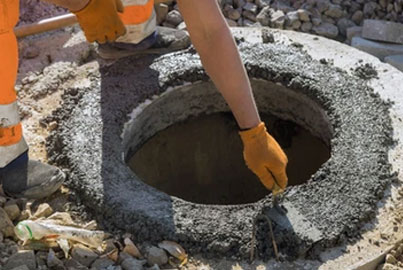
Manhole Construction:
The construction of a manhole generally involves:
- Site Preparation: Excavation and ensuring the site is level and stable.
- Excavation and Shaping: Digging to the required depth and shaping the area to accommodate the manhole.
- Manhole Installation: Lowering a precast manhole or building one in place using forms and concrete.
- Backfilling and Reinforcement: Filling the surrounding area for structural support and placing the manhole cover.