Wet and Dry Tapping Services
Wet pipeline tapping, also known as hot tapping or pressure tapping, is a specialized technique that enables the creation of a new connection to an existing, pressurized pipeline without interrupting the flow of product. This procedure is crucial in scenarios where maintaining continuous service is critical, such as with water or sewer mains in residential and commercial areas. It offers significant advantages over traditional methods that would necessitate shutting down the system and draining the pipeline, which can be costly and inconvenient.
Why Use Wet Tapping?
- Minimizing disruption: The primary benefit of wet tapping is the ability to connect new lines or modify existing ones without disrupting the service being provided through the pipeline. This is particularly vital for utilities and industrial applications where service interruptions are unacceptable.
- Cost-effectiveness: While the initial cost of wet tapping might be higher than some conventional methods, it is generally considered more cost-effective in the long run. This is due to the avoidance of expenses associated with system shutdown, draining, clean-up, testing, and potential customer complaints.
- Safety and compliance: Wet tapping eliminates the risk of water contamination that can occur during system shutdowns and subsequent restoration. It allows for maintenance and modifications without the need for extensive testing and compliance procedures that would be required with traditional methods.
- Versatility: Wet tapping is a versatile method that can be applied to a wide range of pipe materials and pressure conditions. It is commonly used for potable water, reclaimed water, and sewage lines, but can also be used for other fluids like natural gas, gasoline, and jet fuel, particularly in industrial settings.

How is Wet Tapping Performed?
Wet tapping typically involves several steps:
- Attaching a tapping sleeve and valve: A tapping sleeve or saddle is mounted and secured around the existing pipeline at the desired location for the new connection. A valve is then installed onto the tapping sleeve.
- Pressure testing: The tapping sleeve and valve are pressure tested to ensure the integrity of the system before proceeding with the tapping operation.
- Attaching the tapping machine: A tapping machine, which includes a cutting head and watertight housing, is attached to the valve.
- Drilling into the pipe: The tapping machine’s cutting head is advanced through the valve and sleeve to cut a hole into the wall of the pressurized pipe.
- Coupon retention: A pilot drill with retention wires is used to secure the cut piece of pipe, known as the coupon, preventing it from falling into the pipeline.
- Retracting the coupon and closing the valve: The cutting head, with the retained coupon, is retracted back into the tapping machine. The valve is then closed, sealing the new connection and allowing the tapping machine to be removed without disrupting the flow within the main pipeline.
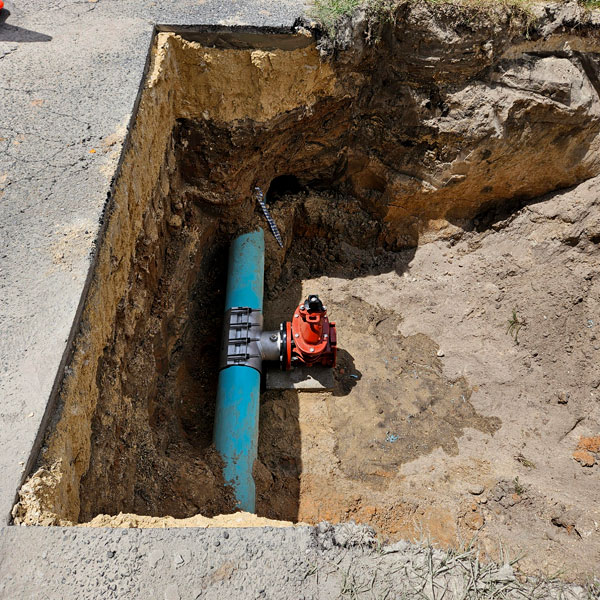
Applications of Wet Tapping
Wet tapping is a crucial technique in various construction and utility applications, including:
- New construction tie-ins: Connecting new buildings or extensions to existing water or sewer mains.
- Installing bypass piping: Creating temporary or permanent bypasses to reroute flow during repairs or modifications.
- Adding fire hydrant connections: Expanding fire protection systems by adding new hydrants.
- Installing sample ports, flow meters, or thermowells: Adding measurement or monitoring devices to pipelines without system shutdown.
- Emergency repairs: Quickly addressing broken water or sewage mains.
Safety Considerations
While wet tapping offers numerous advantages, safety is paramount during operations. It is crucial to:
- Conduct a comprehensive site assessment: Evaluate the location, access, and environmental factors to ensure suitability.
- Engage qualified personnel: Only trained and experienced individuals should perform wet tapping procedures.
- Monitor system pressure closely: High pressures can pose safety risks, and proper regulation is essential.
- Follow safe work practices: Utilize appropriate personal protective equipment (PPE) and secure the site to prevent unauthorized access.
- Verify live service: Confirm that water is flowing in the pipeline before beginning the cutting process.
- Purge the line: Thoroughly remove any residual water to avoid water ejection during new connection welding.
- Have an emergency preparedness plan: Be prepared for unexpected situations with a well-defined response plan.
In Conclusion
Wet pipeline tapping is a valuable technique in pipeline maintenance and expansion, offering significant benefits in terms of minimizing disruption, cost-effectiveness, and safety. By adhering to strict safety protocols and utilizing qualified personnel, wet tapping allows for the efficient and safe creation of new connections to existing, pressurized pipelines.
